2023-11-09
Exploring the Enigmatic Beauty of Khajuraho Temples
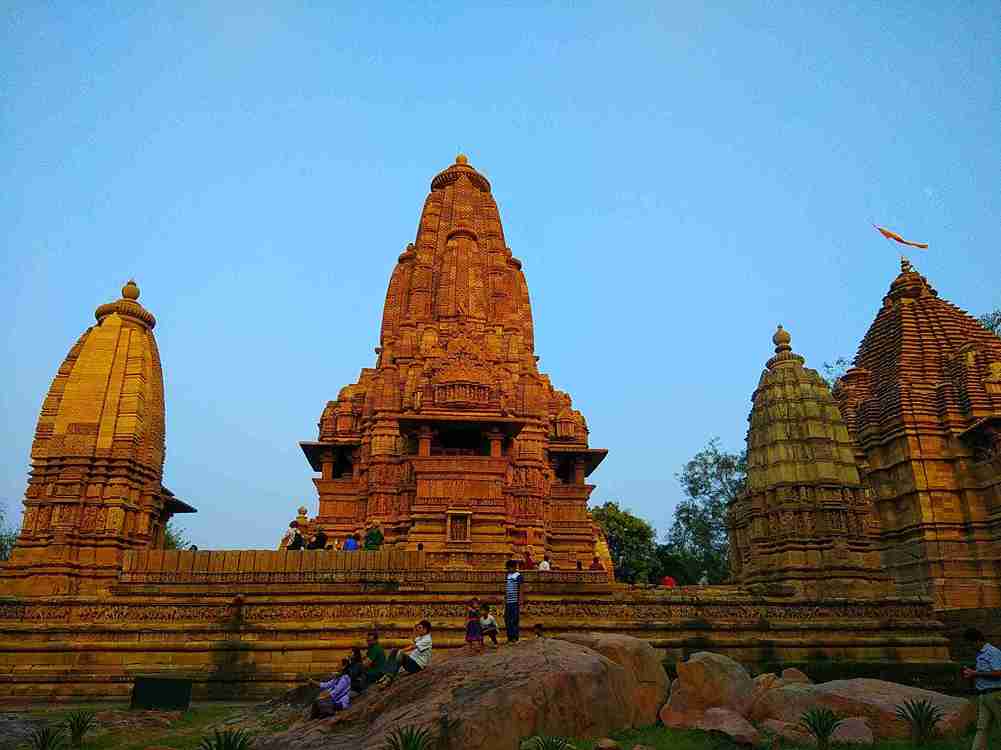
Nestled in the heart of Madhya Pradesh, the Khajuraho Group of Monuments stands as a testament to India's rich cultural and artistic heritage. Revered globally for their exquisite architecture and intricate sculptures, these temples form an exceptional example of ancient Indian artistry and architectural brilliance.
A Glimpse into the History
The Khajuraho Temples, built between 950 and 1050 AD, were constructed during the reign of the Chandela dynasty, rulers of the region. Originally, over 85 temples adorned this landscape, out of which approximately 20 have survived the test of time. The temples were dedicated to Hindu deities like Shiva, Vishnu, and other gods and goddesses from Hindu mythology.
Architectural Marvel
The Khajuraho temples are celebrated for their stunning architecture, exquisite carvings, and intricate sculptures. Crafted from sandstone, each temple exudes an otherworldly charm, symbolizing the heights of craftsmanship and artistic finesse of that era.
The temples are divided into three geographical divisions: Western, Eastern, and Southern. The Western Group, renowned for its architectural grandeur, houses the most prominent and best-preserved temples. These temples boast ornate carvings, detailing tales from Hindu epics like the Mahabharata and Ramayana, intricately carved figures of gods and goddesses, celestial maidens, and intricate decorative motifs.
Erotic Sculptures and Symbolism
One of the distinguishing features of Khajuraho is the depiction of eroticism in its sculptures. These sensuous carvings and sculptures are not merely about physical intimacy but symbolize spiritual and divine love. They illustrate various aspects of human life, emotions, and the balance between spiritual and physical aspects of human existence.
The intricate carvings are often symbolic, portraying the union of man and woman, transcendence of earthly desires, and the path to spiritual awakening. These sculptures are a testament to the liberated and inclusive nature of the society during that period.
Preservation and UNESCO World Heritage Status
The exquisite artistry and cultural significance of the Khajuraho Temples led to their recognition as a UNESCO World Heritage Site in 1986. This status has helped preserve these architectural gems for future generations, safeguarding them from the ravages of time and modernization.
Visitor Experience
Khajuraho is not just a pilgrimage site but an immersive experience in art, history, and culture. As visitors stroll through the temple complex, they are transported back in time, marveling at the intricate details of the sculptures and the architectural splendor. The serene ambiance of the site encourages contemplation and a deep appreciation of India's rich cultural legacy.
Cultural Significance
Apart from their artistic beauty, the Khajuraho temples are a testament to the religious and cultural tolerance of the Chandela dynasty. These temples are a living archive of India's cultural ethos and have become an integral part of the country's cultural narrative.
Continuing Legacy
As these temples stand the test of time, the essence of Khajuraho continues to captivate and inspire visitors, artists, historians, and architects worldwide. The intricate carvings and sculptures serve as an enduring reminder of India's glorious past and its unparalleled artistic heritage.
In conclusion, the Khajuraho Group of Monuments remains a living legacy, a profound testament to India's rich heritage and architectural excellence. Visitors are left in awe of the timeless beauty, detailed sculptures, and the cultural significance these temples hold, ensuring Khajuraho's place among the world's most awe-inspiring architectural wonders.